
Why Oral Appliances Are Beaverton’s Choice for Sleep Apnea
If you wake up tired, snore most nights, or feel worn out during the day, you might be wondering if it is time to see a sleep apnea specialist in Beaverton. Many adults want relief but feel unsure about bulky machines and masks. Oral appliance therapy offers a simple, custom approach that fits into your life and supports long-term health.
What Is Oral Appliance Therapy for Sleep Apnea?
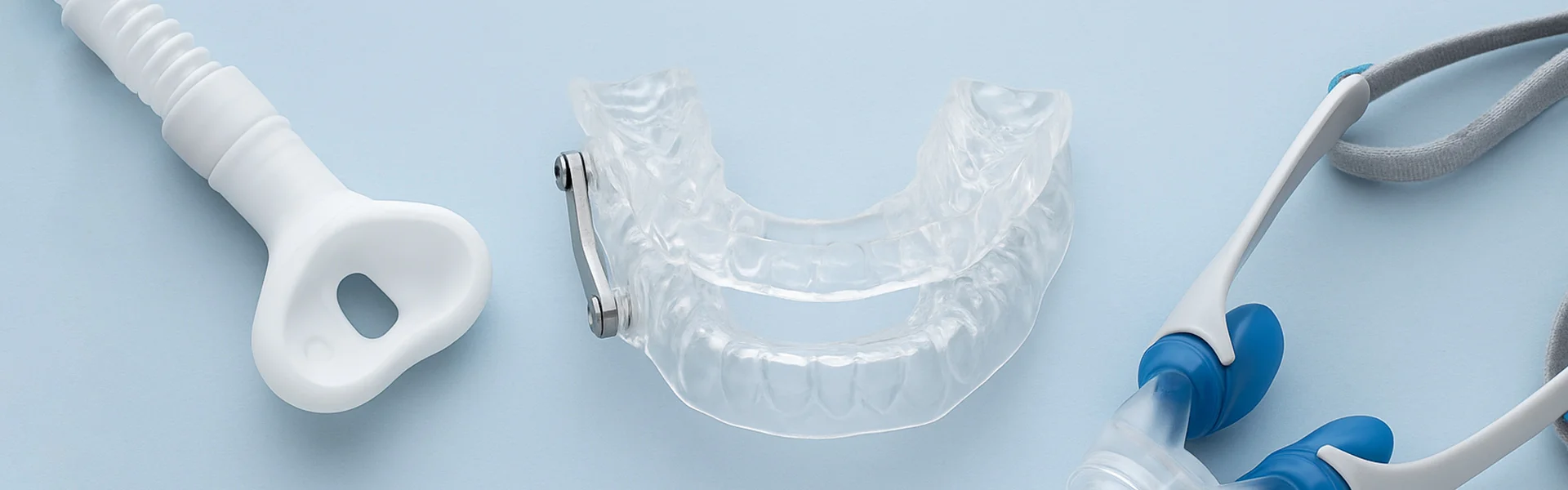
Oral appliance therapy uses a small, custom mouthpiece that you wear while you sleep. It fits over your teeth and holds your lower jaw in a gentle forward position. This helps keep the airway open so air can pass through without collapse or loud snoring.
Dentists design these devices after a careful exam and a review of your sleep study. Each appliance is made to match your bite, jaw position, and airway needs. The goal is to reduce pauses in breathing, ease snoring, and improve oxygen levels through the night.
Unlike a nightguard from a store, a medical oral appliance is made with durable materials and precise measurements. It is adjusted over time so it continues to fit well and support your treatment plan.
Why More Beaverton Patients Are Choosing Oral Appliances
Many people first hear about CPAP when they are diagnosed with sleep apnea. CPAP can treat even severe cases, yet some patients find the mask, tubing, or noise hard to tolerate. When that happens, they may stop treatment or use it less than their doctor recommends.
Custom oral appliances give another path. Patients often choose them because they:
- Fit in a pocket or small case for travel
- Are silent and do not disturb a bed partner
- Do not require electricity or distilled water
- Can feel more natural for people who breathe through the nose or mouth
Comfort plays a major role in long-term success. When a device feels comfortable and easy to use, patients tend to wear it every night. Consistent use is what protects the heart, brain, and overall health from the long-term effects of sleep apnea.
Oral Appliances vs. CPAP: Which Works Better for You?
CPAP remains the gold standard for many moderate to severe sleep apnea cases. It pushes air through a mask to keep the airway open. For patients who tolerate it well, CPAP can give strong results.
Oral appliances are often recommended for:
- Mild to moderate obstructive sleep apnea
- Patients who cannot use CPAP or prefer another option
- Those who travel often or lack space for equipment at home
Studies show that oral appliances reduce snoring and apnea events in many patients with mild to moderate disease. Because the devices are small and simple, patients wear them more often. For some people, better use each night can balance the difference in power between the two treatments.
Your dentist and sleep physician may even use both tools over time. Some patients use CPAP at home and an oral appliance when they travel, camp, or need a more flexible setup.
Who Is a Good Candidate for Oral Appliance Therapy?
Your dentist will look at several factors to decide if a jaw-advancing device is right for you. Good candidates often:
- Have been diagnosed with obstructive sleep apnea or chronic snoring
- Have mild to moderate apnea, based on a sleep study
- Struggle with CPAP or prefer a less bulky option
- Have healthy teeth and gums to support a custom appliance
- Can move the lower jaw forward without pain
If you have jaw pain, missing teeth, or advanced gum disease, these issues may need care before you start. In some severe cases, CPAP, surgery, or a combined plan may still be safer. Your team will guide you through these choices and explain the reasons behind each recommendation.
What to Expect During Your Sleep Apnea Consultation
A sleep apnea visit in a dental office feels much like a detailed exam with extra focus on the airway. During your consultation, you can expect:
- A review of your medical history and sleep study results
- Questions about snoring, daytime fatigue, and morning headaches
- An exam of your teeth, bite, jaw joints, and tongue posture
- Measurements and digital scans or impressions of your teeth
If you are a candidate, the dentist will design a custom sleep apnea oral appliance that fits your mouth and treatment goals. Once the device is made, you return for a fitting visit. The dentist checks the fit, makes small adjustments, and shows you how to insert, remove, and clean the appliance.
Follow-up visits help fine-tune the jaw position for comfort and effectiveness. In some cases, your sleep physician may order another sleep study with the device in place to measure how well it works for you.
Ready to Sleep Better? Book a Consultation in Beaverton
Living with untreated sleep apnea can affect your mood, focus, blood pressure, and heart health. A small, quiet device may be enough to restore steady breathing and more restful nights. If you are curious about whether an oral appliance could fit your needs, schedule a visit with the team at Prestige Family Dentistry. Together, you can review your options, choose a plan that matches your goals, and take the next step toward deeper, healthier sleep.